
The Rise of Regional Powers: Reshaping the Global Order
The Decentralization of Influence
For decades following the Cold War, global politics was often described through the lens of unipolarity, centered predominantly on the United States and its allies. However, the 21st century has ushered in an era of undeniable power diffusion not just to a few great power rivals, but to a diverse set of states exercising decisive influence within their immediate geographical spheres.
These Regional Powers that possess significant military, economic, and diplomatic capabilities relative to their neighbours are increasingly filling vacuums left by the selective disengagement of traditional great powers. Their rise is driven by a confluence of factors, including rapid economic growth, increased political autonomy, and a concerted effort to leverage regional institutions for national gain. This shift means that crises, trade agreements, and security arrangements are now primarily negotiated and defined at the regional level, often before they reach the global stage.
Defining the New Power Brokers
While the term "great power" traditionally implies a capacity for global projection, a regional power's influence is defined by its hegemonic or dominant position within a clearly delimited geographical area, making it the primary actor that sets the polarity and security agenda of its regional complex. These powers are distinguished by a combination of both hard power and soft power, possessing considerable coercive capacity and significant weight in regional and global economies. Specifically, they must have credible military capability to guarantee border security and, if necessary, influence neighbouring states in addition to a large and dynamic economic clout that anchors regional trade and investment, as is the case with India in South Asia or Brazil in South America.
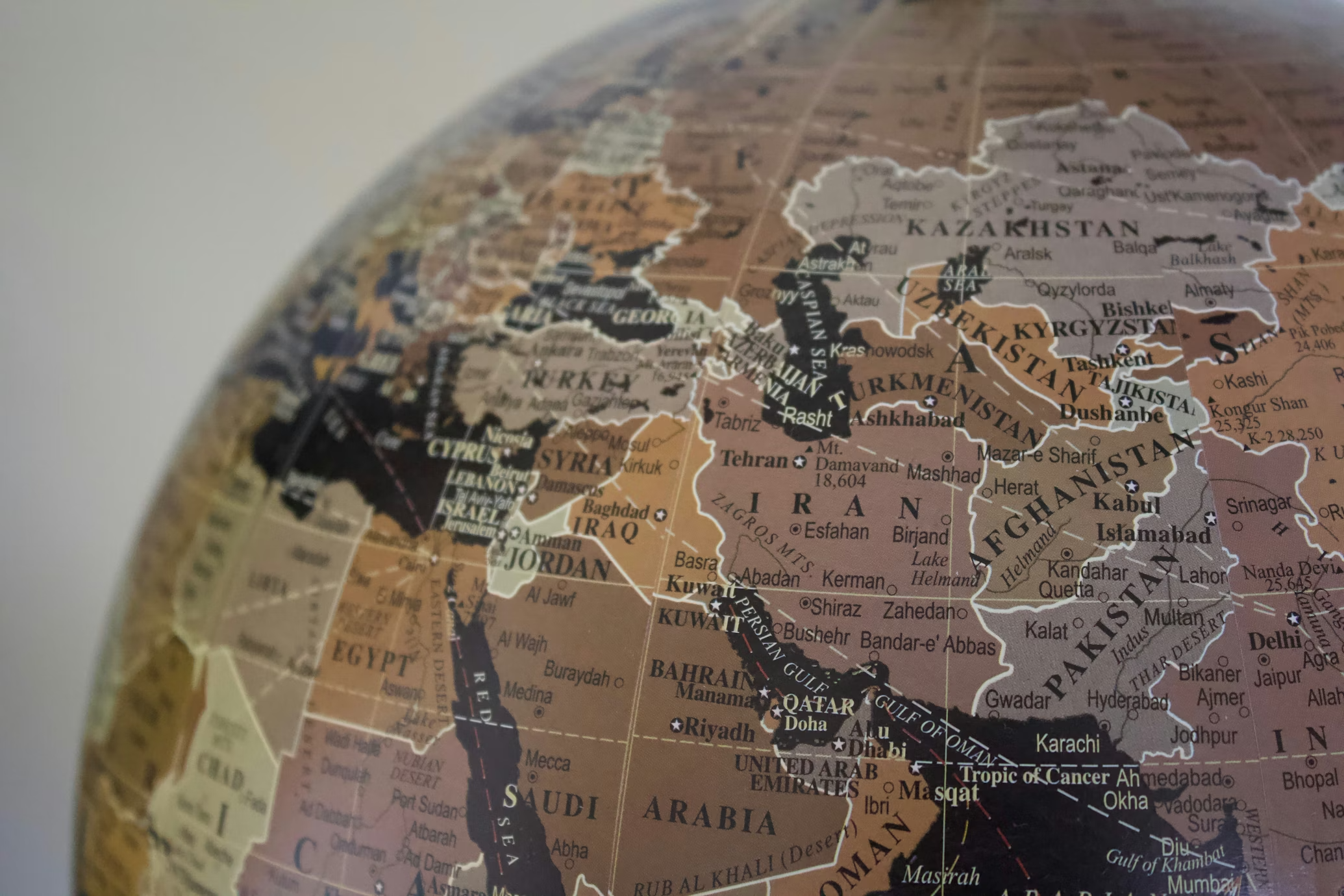
Furthermore, a crucial factor is effective diplomatic leadership which manifests in the ability to shape the regional security agenda and lead regional organizations, such as South Africa in the African Union or Indonesia in Southeast Asia. Finally, a regional power must not only possess a strong self-image as a leader but also gain a degree of recognition and acceptance from its neighbours and global actors. This new and diverse class of powers includes established players like Germany and Japan, as well as rising non-Western states such as Turkey, Iran, and Saudi Arabia in the Middle East, whose rivalries and strategies actively define contemporary geopolitics, moving within the intermediate range of the international power hierarchy.
The Drivers of Regionalization
The rise of regional powers is far from accidental; it is the product of profound, long-term structural changes in the international system that have fundamentally rewired global interdependence and power distribution. The first key factor is economic decoupling and growth. The sustained economic ascent of the Global South, notably through groups like the BRICS nations, has equipped these states with the necessary material resources to translate economic strength into genuine political leverage. As global supply chains diversify and regional trade blocs consolidate, non-Western economies are becoming significantly less reliant on, and thus less deferential to, the traditional Western financial and economic systems. This increasing economic self-sufficiency grants them the autonomy required for geopolitical assertiveness. This trend is closely supported by the waning of unipolarity. While the United States remains the sole superpower, its preference for selective engagement since the end of the Cold War has led to a relative strategic withdrawal often framed as a 'pivot' or 'rebalance' from various regions.
This creates power vacuums that regional aspirants are eager to fill. The decline of unified external pressure allows latent regional rivalries to intensify, compelling local states to build up their own military and diplomatic capabilities to manage their spheres of influence. The third driver is institutional entrepreneurship. Regional powers do not just react to these changes; they actively create and leverage regional institutions to both legitimize their leadership and exclude external interference. Examples include Brazil’s significant role in Mercosur and the growing importance of the Shanghai Cooperation Organisation (SCO), often led by China and Russia. By defining the rules of the road locally, these powers effectively constrain the ability of global institutions (such as the UN Security Council or the IMF) to dictate regional policy, thereby cementing their primacy.
The Global Impact of Regional Assertiveness
The empowerment of these regional actors has profound implications for the overall international system, shifting global politics into a new, complex dynamic. Primarily, Multipolarity is Fragmented, Not Flat. Global power isn't simply decentralizing into a neat set of competing great powers; instead, the world is adopting a layered structure. While the global strategic level remains contested by major powers (the US, China, and Russia), the regional level is increasingly defined by local hegemons. This complexity significantly increases the difficulty of coordinated international action on pressing global issues like climate change, pandemics, or trade liberalization, as regional powers frequently prioritize their localized agendas and stability concerns over achieving a fragile global consensus.
The second key impact is that security dynamics are localized. Regional powers are now the primary security providers and simultaneously the main sources of instability within their regions. For example, the intense rivalry between Iran and Saudi Arabia drives proxy wars across the Middle East, while in Asia, the maritime disputes involving China dictate the pace of naval modernization for its neighbours. The involvement of extra-regional powers often occurs only in response to these entrenched local competitions, rather than acting as the primary driver of the conflict itself.
Finally, norms and governance are contested. Regional powers frequently promote alternative norms of governance and sovereignty that challenge the Western liberal consensus. Concepts like non-interference in internal affairs, state-led development models, and alternative interpretations of democracy are often championed within their immediate regional spheres. This ideological competition is vital, as it provides a diplomatic shield against external pressure related to human rights, political reforms, or economic liberalization, solidifying their non-Western models of international engagement.
Conclusion
The rise of regional powers is the defining geopolitical trend of our time. It signals a definitive move away from a simple unipolar or even bipolar world order and toward a complex, layered multipolarity. For policymakers and international observers, the focus must shift from solely monitoring the competition between great powers to understanding the ambitions and limitations of regional actors. The stability of the global system increasingly hinges on the dynamics within its distinct regional subsystems. Ignoring the power brokers of Riyadh, Ankara, Brasília, or New Delhi is no longer tenable; they are the architects of the next era of international relations.