
Sustainability and the Future of Consulting
Consulting has become one of the most sought-after career paths for recent graduates. Firms like McKinsey emphasize their ability to create positive and lasting change in the world, making them highly attractive to young professionals eager to have a tangible impact. Yet, few take into account the realities and nuances of the consulting world.
Consultants provide a valuable service to clients who are willing to pay for it. The “client first” principle is deeply ingrained in the philosophy of consulting, with legitimizing the clients’ goals as a fundamental tenet. Consequently, consultants often shun the implications of their clients’ ambitions, focusing solely on delivering the necessary advice. This dynamic reflects the appeal of consulting for companies and governments alike, which might pursue goals that run afoul of the interests of society at large. Consultants work for their clients, whether or not it aligns with the common good.
Consulting companies are revered in the corporate and policy worlds. The Big Three (McKinsey, BCG, and Bain) and the Big Four (Deloitte, PwC, EY, and KPMG) provide advice to the largest corporations and government agencies around the world, wielding considerable influence over the decisions of private and public actors shaping our world. Most cloak their behind-the-scenes activities in the shining language of solving the toughest problems worldwide by working with those who control the levers of power.
Nevertheless, reality often detracts from their professions. Consulting companies help their clients to maximize profits, get around regulations, and refine their public profile regardless of the damage to society. Scandals involving McKinsey, including numerous accident-related deaths at Disneyland and US Steel caused by ill-advised cost-cutting strategies or the opioid crisis triggered by the deceiving marketing strategies of Purdue Pharma’s OxyContin, testify to this iniquitous approach. Moreover, consulting firms are routinely hired by both industries, like tobacco and pharmaceutical companies, and government regulators, like the FDI, which engenders evident conflicts of interest.
The consulting industry has ensconced itself within the public sector, with recurring hundred-million-dollar contracts signed with governments to provide external advice. Beyond the burdensome costs incurred by states for these services, consulting firms have sometimes taken central roles in decision-making and public program management, evincing a clear overstretch of their role as consultancies. Consultants are also hired to serve self-interested politicians seeking to sustain their power at all costs. President Victor Orban, who has systematically undermined the democratic system in Hungary, has notably relied on McKinsey for shady political ends.
Consulting firms have dealt with countless corrupt politicians, such as Ukraine’s Yanukovych and Azerbaijan's Aliyev, propping them up by polishing their image and helping to manage the economy. The recent corruption debacle involving McKinsey and South African officials illustrates consultancies’ nefarious practices. The trail of global consultancies is also found in authoritarian states, including China and Saudi Arabia, where they have shored up the regimes and pushed policies often at odds with US interests.
While consultants make their clients well-off, it does not necessarily translate into making society better off. For what it’s worth, consulting firms seem to be fueling contemporary issues in society: income inequality, profit-first culture, self-serving politics, governance failures, and democratic erosion.
As such, the proliferation of consulting services in the private and public spheres generates unprecedented risks for political stability. The backlash that some of these companies have faced as scandals piled up forced them to review their approach, notably by encouraging internal dissent and a more rigorous vetting process of clients. Nevertheless, putting the client’s interests first still prevails, which means that consultants will remain the enablers of questionable goals from clients, at the expense of the common good.
Cuora Consulting's approach
The goal of Cuora Consulting is to redefine consulting from profit-centered activities to purpose-driven endeavors to shape a prosperous future. We work with NGOs, social impact start-ups, and socially conscious enterprises. Our priority will always be to foster strong relationships with our clients and guide them in their endeavor to impact society positively.
As such, Cuora Consulting stands out within the consulting industry. We aim at positioning Cuora as the leading sustainability consulting organization, pioneering consulting services that work hand in hand with our clients for a prosperous future. Our world faces growing challenges, from climate change and depletion of natural resources to growing income inequality and political instability. However, these issues can only be tackled collectively. Cuora sees itself as the bridge between society and its actors to drive change together. It is also a think tank, generating new ideas to advance our goals.
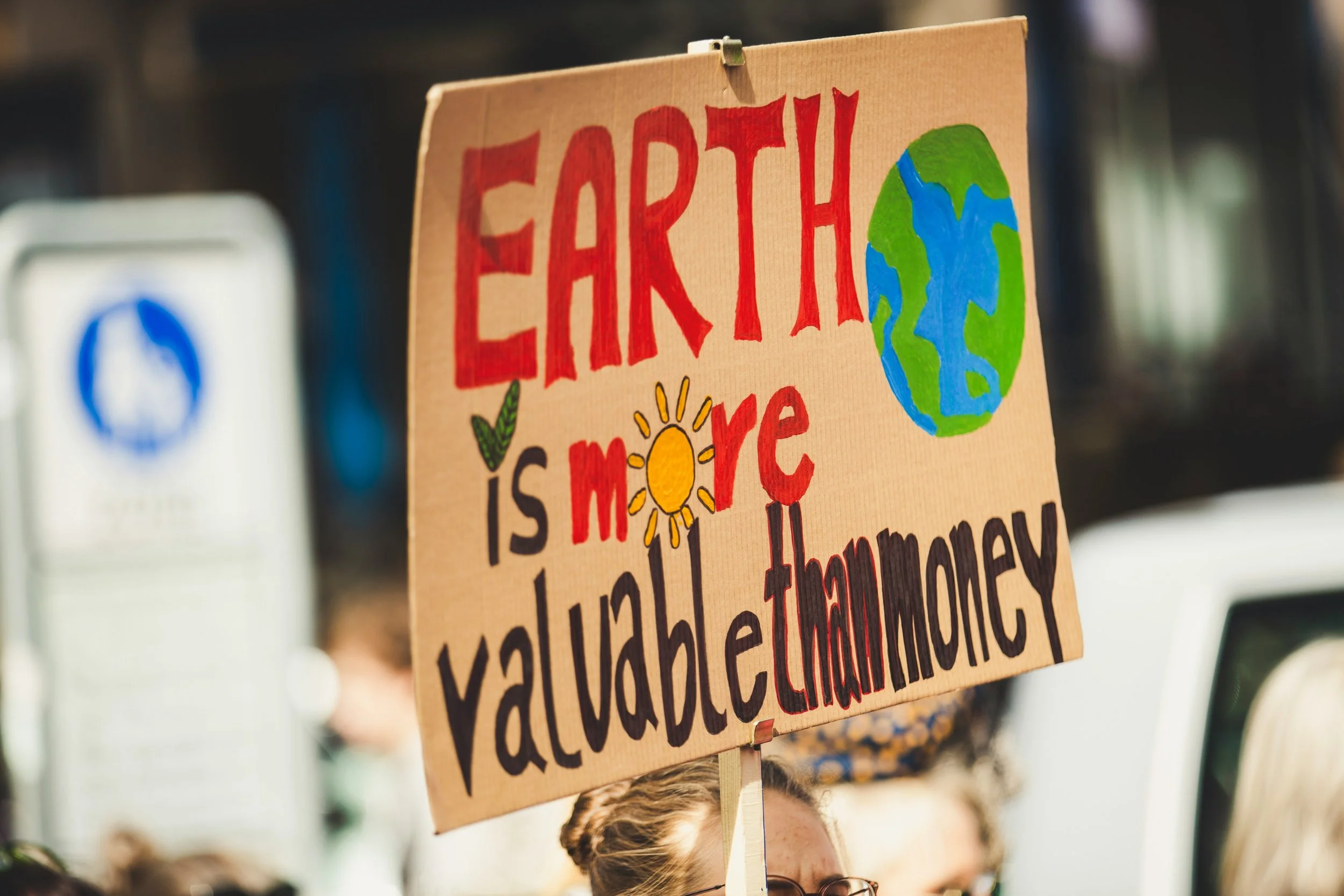
Today, the challenges we face have increased pressure from consumers, who demand that companies adopt more environmentally friendly practices. Consumers now consider not only the quality of products and services but also their environmental and social impacts. 7 out of 10 global consumers are inclined to change their consumption behavior to minimize their environmental impact. Consequently, embracing sustainability strategies is critical for businesses in today's markets. Companies that adopt sustainable practices not only improve their environmental and societal impact but also pave the way for success in the long term.
In this new market context, Cuora Consulting sees tremendous opportunities and strong potential for a brighter future. Our efforts are aimed at rethinking the consulting sector, restoring its image, and steering it towards sustainable practices and positive impact. This approach reflects Cuora Consulting’s commitment to building a more sustainable, equitable, and resilient future.